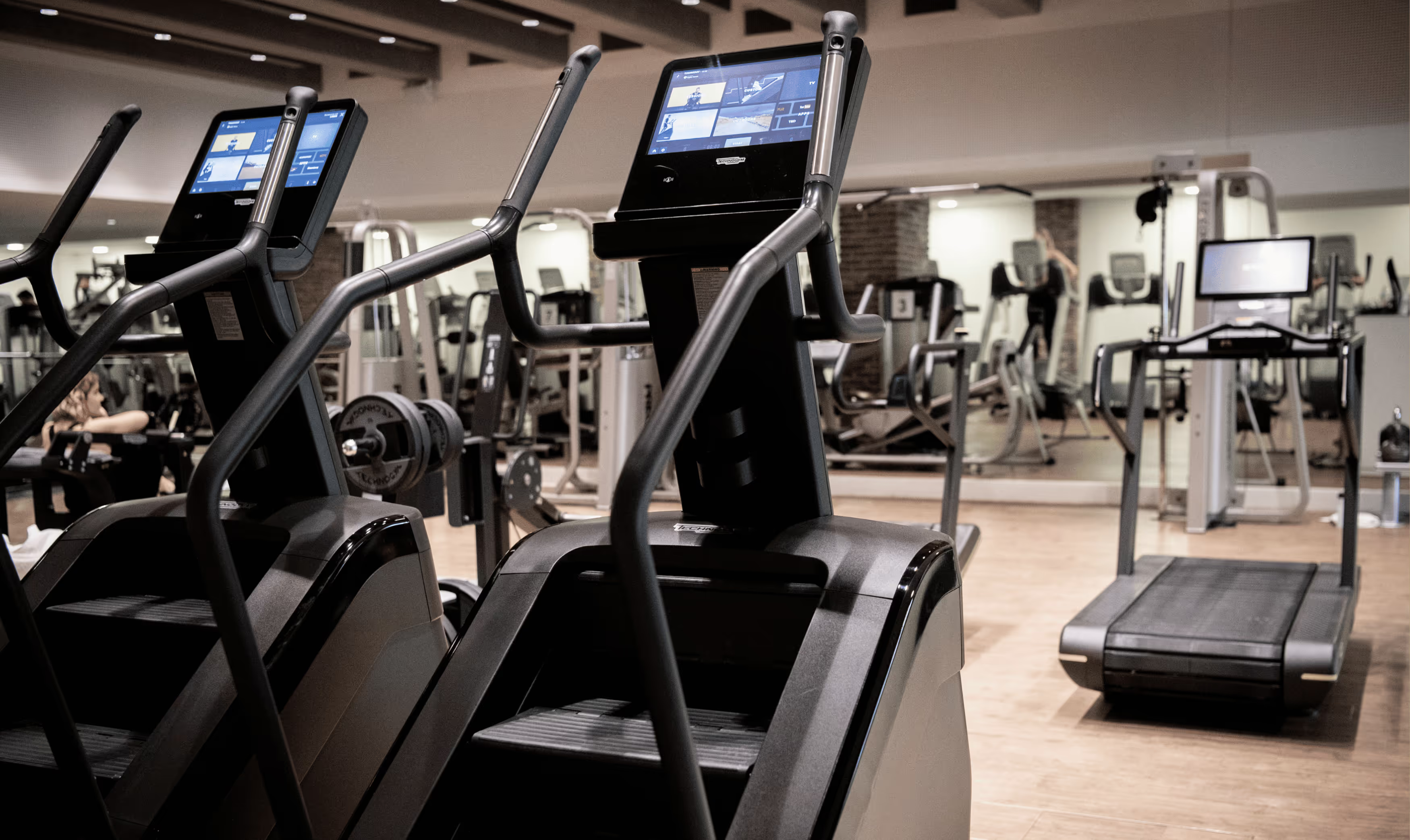
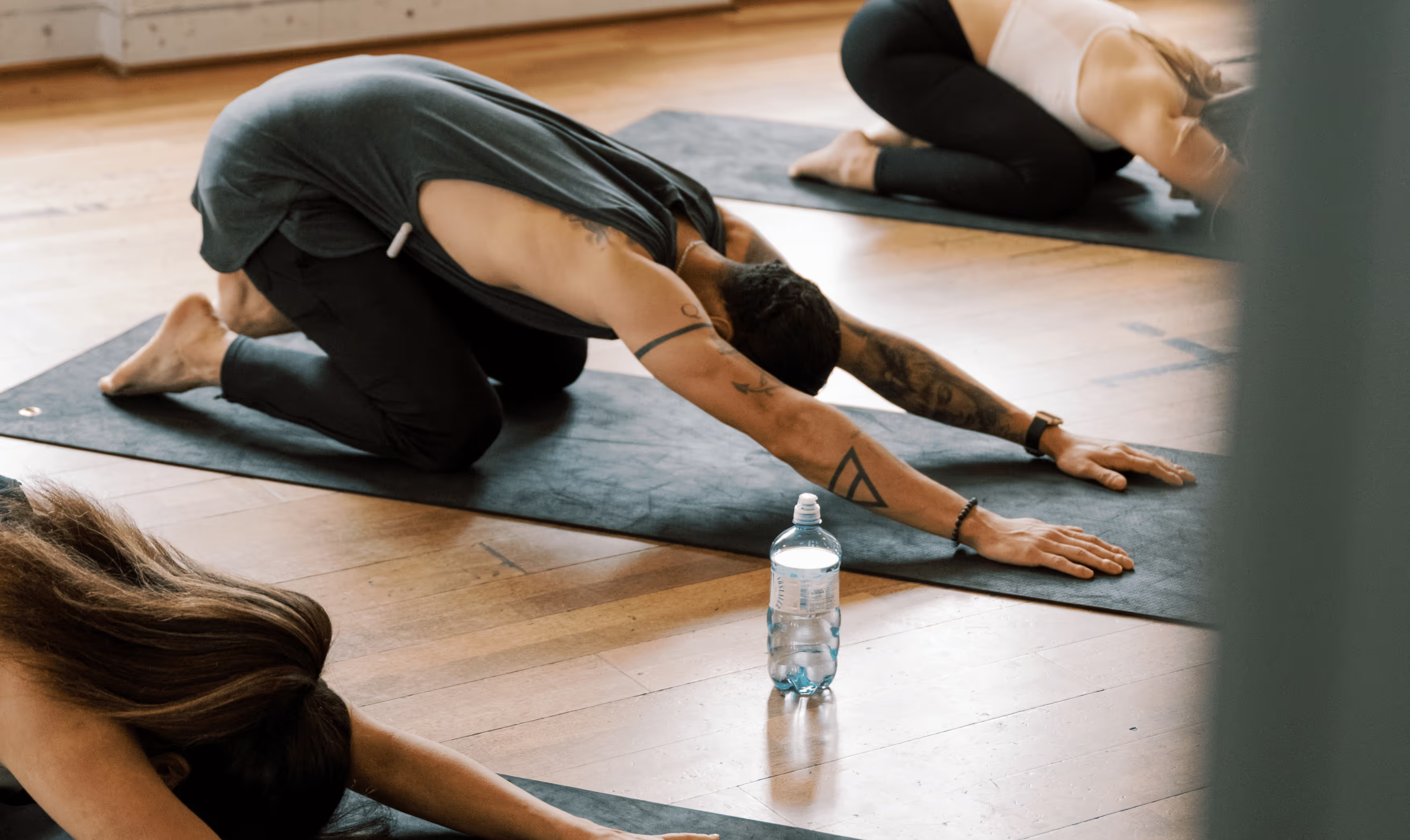
A good workout not only does wonders for physical health, it also helps the brain stay fit and improves memory. Scientists suspect that moderate to intensive exercise can delay the aging process of the brain by ten years. This can protect against memory loss and helps to preserve the ability to think logically.
A good workout not only does wonders for physical health, it also helps the brain stay fit and improves memory. Scientists suspect that moderate to intensive exercise can delay the aging process of the brain by ten years. This can protect against memory loss and helps to preserve the ability to think logically.
But how exactly does that work? To move the body, the brain must work. During light yoga exercises or moderate running training, a variety of neurons are activated. These neurons interpret and process signals from the nervous system. This coordinates muscle contractions, vision, balance, and other complex bodily functions.
Here are five tips for keeping your brain healthy for a long time and preventing illnesses such as dementia while effectively training your body.
1. Treat yourself to a brisk round
According to a study by the University of Georgia Department of Sports Sciences, just a 20-minute workout can help improve information processing in the brain and memory. Walking at a brisk pace for one hour twice a week increases your heart rate for 120 minutes a week. When doing so, consider brain power.
2. Training comes first
A morning workout stimulates brain activity and prepares you ideally for the working day. It also helps to save new information more quickly and enables you to remain calm and react thoughtfully even in complex situations. No time for a full workout in the morning? Any exercise is better than none at all! Remember: What's good for your heart is also good for your brain.
3. Workout only four hours after studying
Scientific studies show that a workout four hours after you have learned something new helps to store the information in the long term. This effect was not found when the workout was done immediately after learning. It is assumed that this is linked to the release of catecholamines - chemical substances that improve memory. However, the exact reason for this reaction is not yet known.
4. Dance!
Dancing not only helps you lose weight, become flexible, reduce stress and establish social contacts. Dancing is also one of the best workouts for the brain. From swing to Zumba, workouts that not only train endurance but also coordination through rhythmic movements also get the brain moving. Performed regularly, senile dementia can be counteracted in this way. It prevents the loss of volume in the hippocampus, the brain region responsible for memory. Learning dance moves is both a physical and cognitive challenge. While learning and practicing choreographies, dancers are constantly training brain functions.
5. Switch on!
Do you go to the gym alone? Then circuit training is the right thing for you. By combining different activities, your heart rate stays up while you constantly have to adjust to new physical and mental demands. If you're feeling a bit exhausted but don't have time for a workout right now, try a few star jumps. This stimulates blood circulation and gives the brain new impetus.