





















Fitness
The power of low-impact workouts: A guide for fitness enthusiasts
While high-intensity workouts can dominate the fitness landscape, low-impact exercises offer a valuable alternative for people who are familiar with fitness and health.


While high-intensity workouts can dominate the fitness landscape, low-impact exercises offer a valuable alternative for people who are familiar with fitness and health.
The world of fitness often focuses on high-intensity workouts that promise quick results and exciting challenges. But for those who are well versed in fitness and health, there's another approach that deserves attention: low-impact workouts. Although they don't always generate the same level of excitement as their high-intensity counterparts, low-impact workouts offer a wide range of benefits that can support long-term health and fitness goals. Let's dive into the world of low-impact workouts, explore their benefits, and how they can be incorporated into a comprehensive fitness routine.
What are low impact workouts?
Low-impact workouts are exercises that minimize stress on the joints and reduce the risk of injury. They are ideal for people of all fitness levels, including beginners, older adults, and those recovering from injuries. In contrast to high-intensity activities such as running, jumping, and intensive plyometry training, low-impact workouts include movements that are gentler on the body and focus on controlled movements and conscious muscle tension.
Benefits of low-impact workouts
1. Joint health: One of the main benefits of low-impact workouts is their ability to promote joint health. By reducing the amount of forces applied to the joints, these workouts help prevent wear and reduce the risk of conditions such as osteoarthritis and joint inflammation.
2. Injury prevention: Low-impact workouts are less likely to overload muscles and cause injuries such as strains and sprains. This makes them an excellent choice for people with joint pain or those who want to minimize the risk of injury while still maintaining an active lifestyle.
3. Improved mobility: Low-impact workouts can improve flexibility, mobility, and range of motion, which is particularly beneficial for older adults and people with reduced mobility. By integrating gentle stretching and mobility exercises, these workouts can improve overall functional movement and reduce stiffness.
4. Cardiovascular health: Although low-impact workouts don't always increase your heartbeat as much as high-intensity exercise, they still provide cardiovascular benefits. Activities such as walking, cycling, swimming, and rowing can improve cardiovascular fitness, lower blood pressure, and reduce the risk of heart disease.
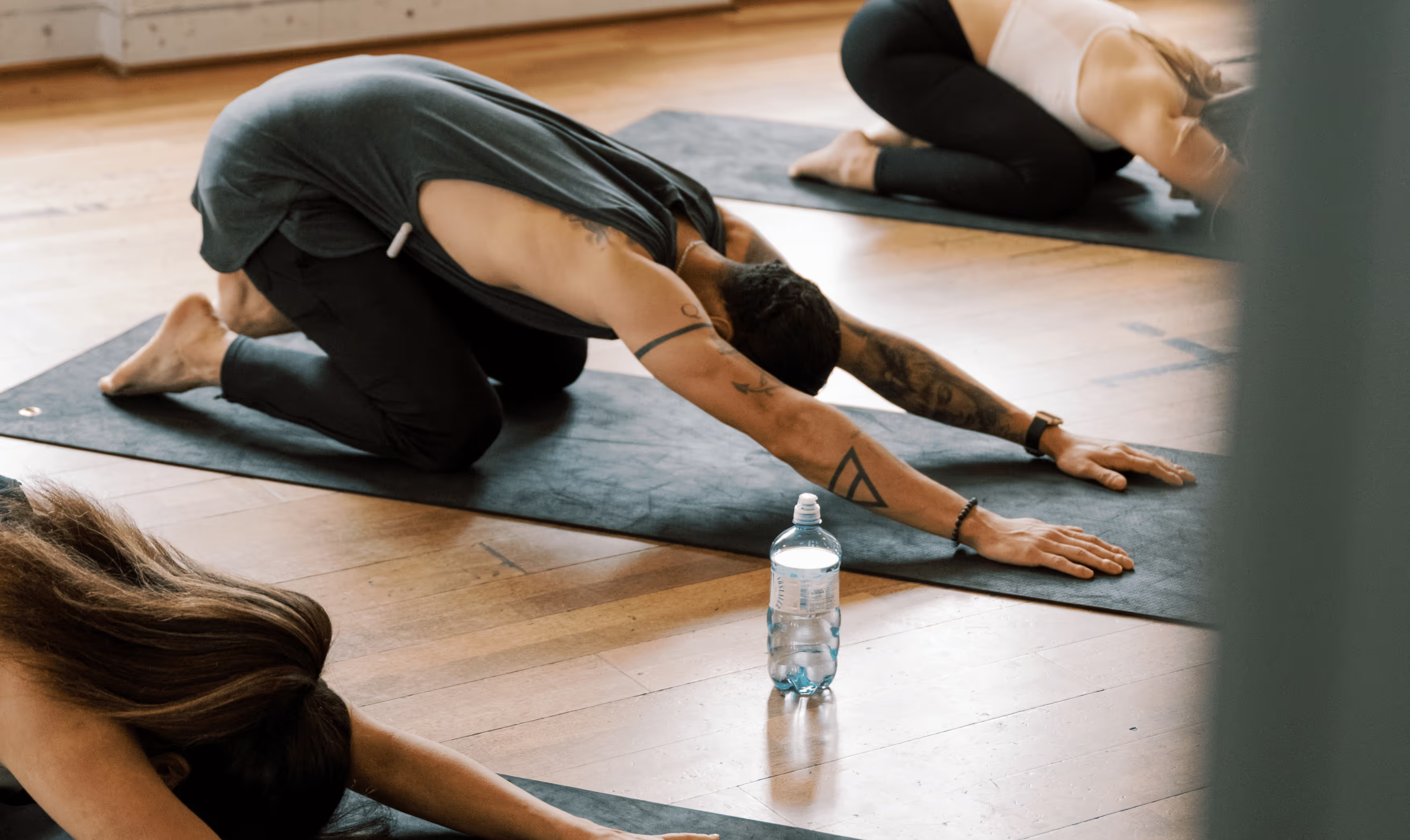
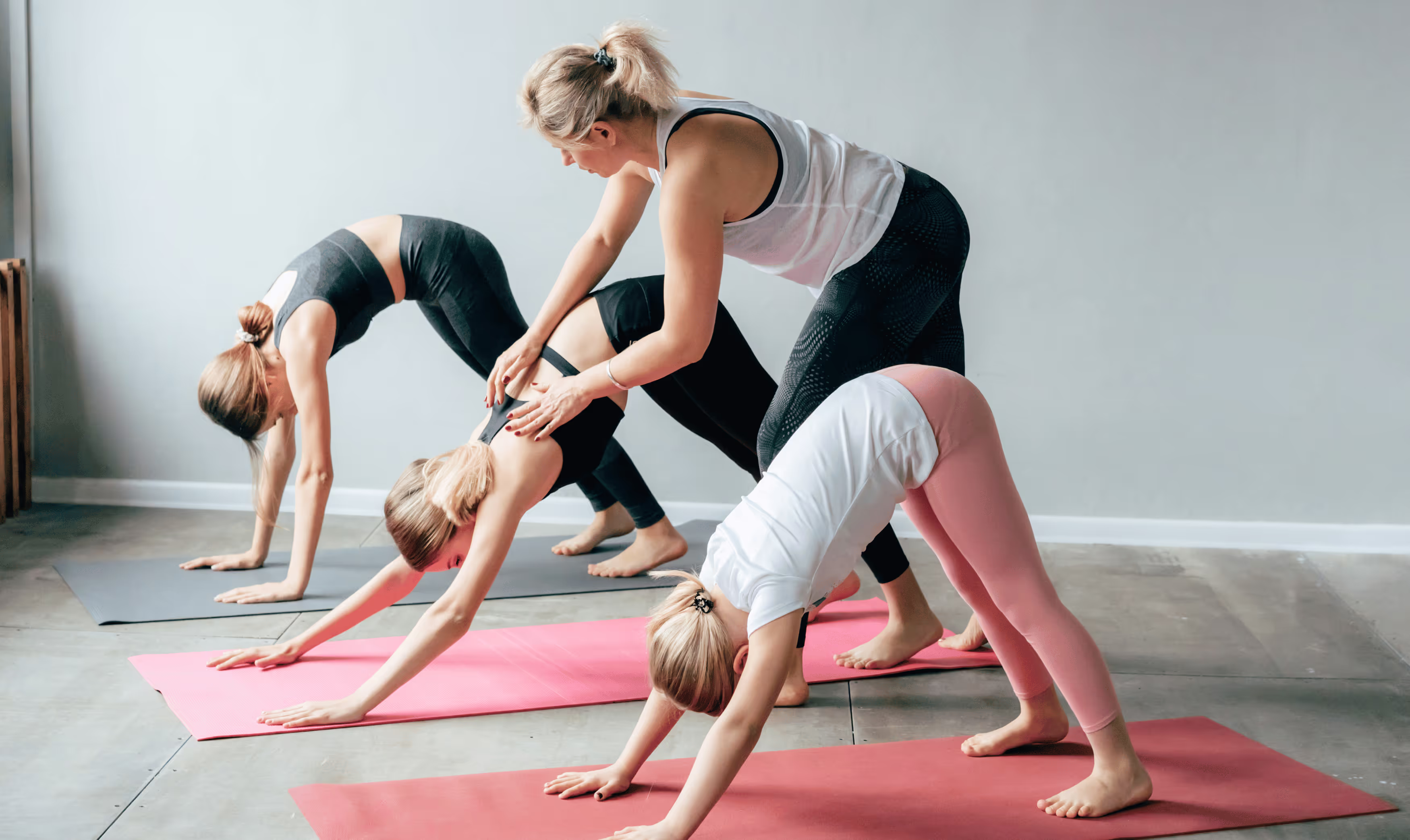
5. Recovery and active recovery: Low-impact workouts can be valuable tools for active recovery and rest breaks. Participating in low-intensity activities such as yoga, Pilates, or gentle stretching can promote muscle recovery, reduce muscle soreness, and support overall recovery between more intensive workouts.
Integrate low-impact workouts into your routine
For fitness enthusiasts who are already well versed in exercise and its benefits, incorporating low-impact workouts into their routine can be a valuable addition. Here are a few tips for incorporating low-impact workouts into your fitness routine:
1. Mix and match: Combine low-impact workouts with higher-intensity exercises to create a balanced fitness program. For example, alternate between days of high-intensity interval training (HIIT) and days of low-impact workouts, such as yoga, swimming, or cycling.
2. Listen to your body: Pay attention to how your body reacts to different types of movement. If you experience joint pain or discomfort during high-intensity workouts, consider adding more low-impact activities to your routine to reduce joint stress.
3. Focus on form: When performing low-impact workouts, focus on proper form and technique to maximize effectiveness and minimize the risk of injury. Tighten your core, maintain proper alignment, and move with control and precision.
4. Discover the variety: Don't be afraid to try out different types of low-impact workouts to make your workouts interesting and varied. Try out new classes, experiment with different devices, and challenge yourself with new moves to keep your fitness routine fresh and fun.
5. Prioritize recovery: Use low-impact workouts as an opportunity to prioritize recovery and self-care. Incorporate activities such as fascia rolling massage, gentle stretching, and relaxation techniques to aid muscle recovery and promote overall wellbeing.
While high-intensity workouts can dominate the fitness landscape, low-impact exercises offer a valuable alternative for people who are familiar with fitness and health. By incorporating low-impact workouts into your routine, you can support joint health, reduce the risk of injury, improve mobility, and increase overall wellbeing. Whether you're recovering from an injury, preventing joint pain, or simply looking for a gentler approach to fitness, low-impact workouts have a lot to offer. Take advantage of low-impact exercises and discover the benefits for yourself.
A community
to help you thrive.
A lifestyle
to fit your aspirations.
A movement
To enjoy the journey
A place
to get the most out of life.
Lorem ipsum dolor sit amet consectetur. Nisi odio purus pellentesque risus suspendisse donec.


