























Fitness
Best Exercises for Ageing Muscles by M.D. Thordis Berger
Age-related muscle atrophy, known as sarcopenia, is a natural part of aging. After 30 years, you start losing between 3% to 5% per decade.


Age-related muscle atrophy, known as sarcopenia, is a natural part of aging. After 30 years, you start losing between 3% to 5% per decade.
Posted on Medical And tagged Age, Training, Exercise, Active Lifestyle, Muscle Mass
Less muscle mass means more weakness and less mobility, which can increase the risk of falls and fractures. A 2015 report from the American Society for Bone and Mineral Research found that people with sarcopenia were more than double the risk of suffering a fracture, such as a broken hip, leg, or arm, after falling from a low height.
But just because declining muscle mass is part of aging doesn't mean you're helpless to stop the process. It takes work, dedication, and a plan, but it's never too late to rebuild and maintain your muscles.
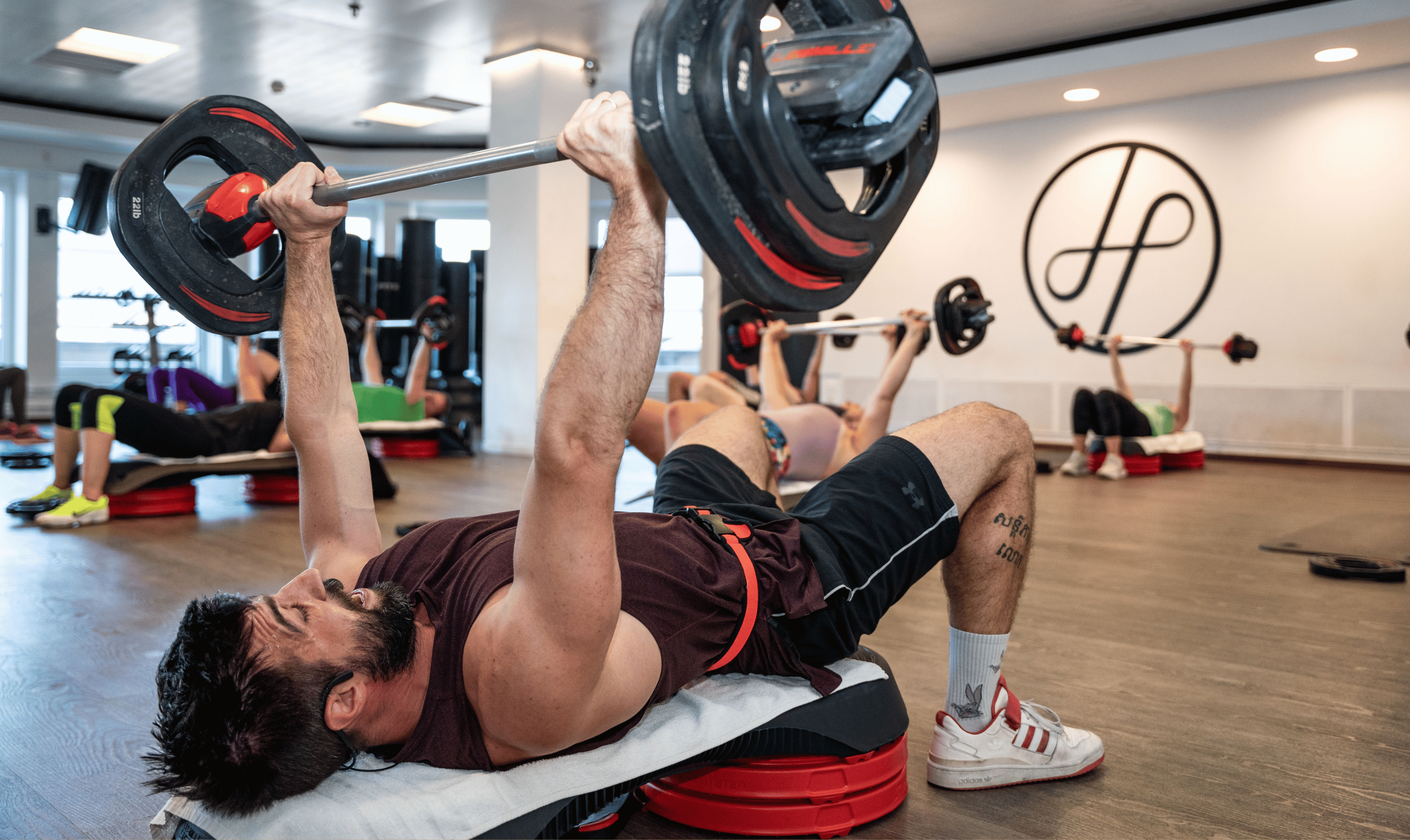
The best way to Build muscle massregardless of your age, Is progressive resistance training (PRT). A structured and detailed PRT program should be tailored to the individual, with the aim of making progress and improvements. Such a plan constantly challenges the muscle and keeps you away from a standstill where you stop making progress. In fact, a meta-analysis published in Medicine & Science in Sports & Exercise reviewed 49 studies involving men aged 50 to 83 who did PRT and found that subjects had an average increase in lean body mass of 2.4 pounds. But two other skills go hand in hand with strength (and are often mistaken for strength): Power and speed.
Muscle strength, i.e. how fast and efficiently you move, is more linked to everyday activities and physical function than muscle strength. An excellent way to improve overall muscle strength is with the legs, as they are most responsible for mobility.
For example, when you get up from sitting, try to do it quickly. When climbing stairs, hold onto the railing and push yourself away as quickly as possible. It doesn't have to be every step—start with one to three steps—but that teaches your muscles to use strength more efficiently.
Check with your doctor before embarking on any type of exercise. Look for a qualified personal trainer who will help you set a detailed sequence and supervise your first training sessions so that you can perform them safely and in the best possible way. As development progresses, you can often do them yourself.
You should also pay attention to your diet, which plays an important role in building muscle mass. High-protein foods are very important for building muscle, but also carbohydrates and lipids are necessary sources of energy.

______________________________
sources
J Bone Miner Res. 2015 Feb; 30 Suppl 1:S1. doi: 10.1002/jbmr.2763.
2015 Annual Meeting of the American Society for Bone and Mineral Research Seattle, WA October 9-12, 2015 (page S1).
Peterson MD1, SenA, Gordon PM. Influence of resistance exercise on lean body mass in aging adults: a meta-analysis. Med Sci Sports Exerc. 2011 Feb; 43 (2) :249-
Cruz-Jentoft AJ et al. Sarcopenia: European Consensus on Definition
and diagnosis. Age and Ageing 2010; 39:412-423
Posted on Medical And tagged Age, Training, Exercise, Active Lifestyle, Muscle Mass.
Lorem ipsum dolor sit amet consectetur. Nisi odio purus pellentesque risus suspendisse donec.


