



























Fitness
How exercise signals the brain to curb appetite
on Dr. med. Thordis Berger Hunger is a complex phenomenon. Learn how physical activity helps regulate appetite — and how it supports your fitness goals.


on Dr. med. Thordis Berger Hunger is a complex phenomenon. Learn how physical activity helps regulate appetite — and how it supports your fitness goals.
Hunger is caused by a combination of different signals — in particular from Neurons in the hypothalamus.
They send information to the brain: You're hungry or You are full.
This system is controlled by hormones such as insulin and leptin.
When the body resistant against these messenger substances increases the risk of overeating and weight gain.
Scientists suspect that this also Inflammatory processes at the cell level play a role — they interfere with signal transmission in the brain.
If you want to lose weight, it's often more effective not only to reduce calories, but to train regularly.
Your ideal weight You can calculate here.
Studies show: Regular exercise improves the leptin sensitivity and reduces inflammation in the body. [1]
Two hormones that play a key role in the feeling of hunger are:
Intensive exercise can increase ghrelin levels Lower and at the same time the peptide YY level increase. [2] [3]
The more intense the workout, the longer this effect lasts.
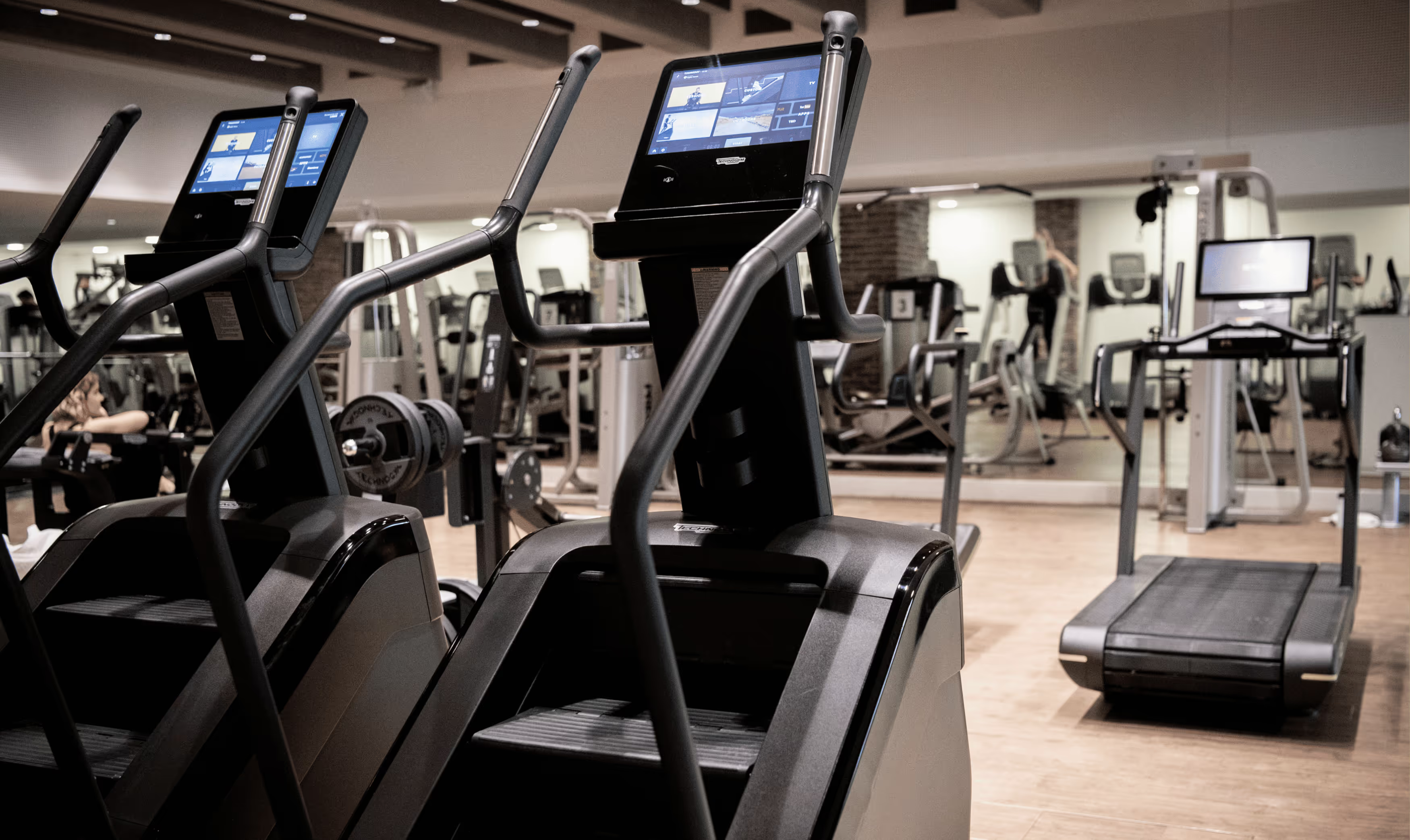
Here you can find the best equipment for high-intensity interval training.
However, movement can also affect the mirror of insulin and leptin increase — both hormones that increase appetite Increase in the medium to long termto replenish depleted energy reserves. [4]
Here comes the regularity into the game:
Frequent physical activity helps the Sensitivity of saturation neurons in the brain to improve. [5]
In other words: The more often you work out, the better you learn to respond to real hunger signals.
Regardless of the feeling of hunger, studies show:
Intensive training, even if it only takes a short time, improves:
The most important influencing factors are:
Are you looking for fast, effective courses?
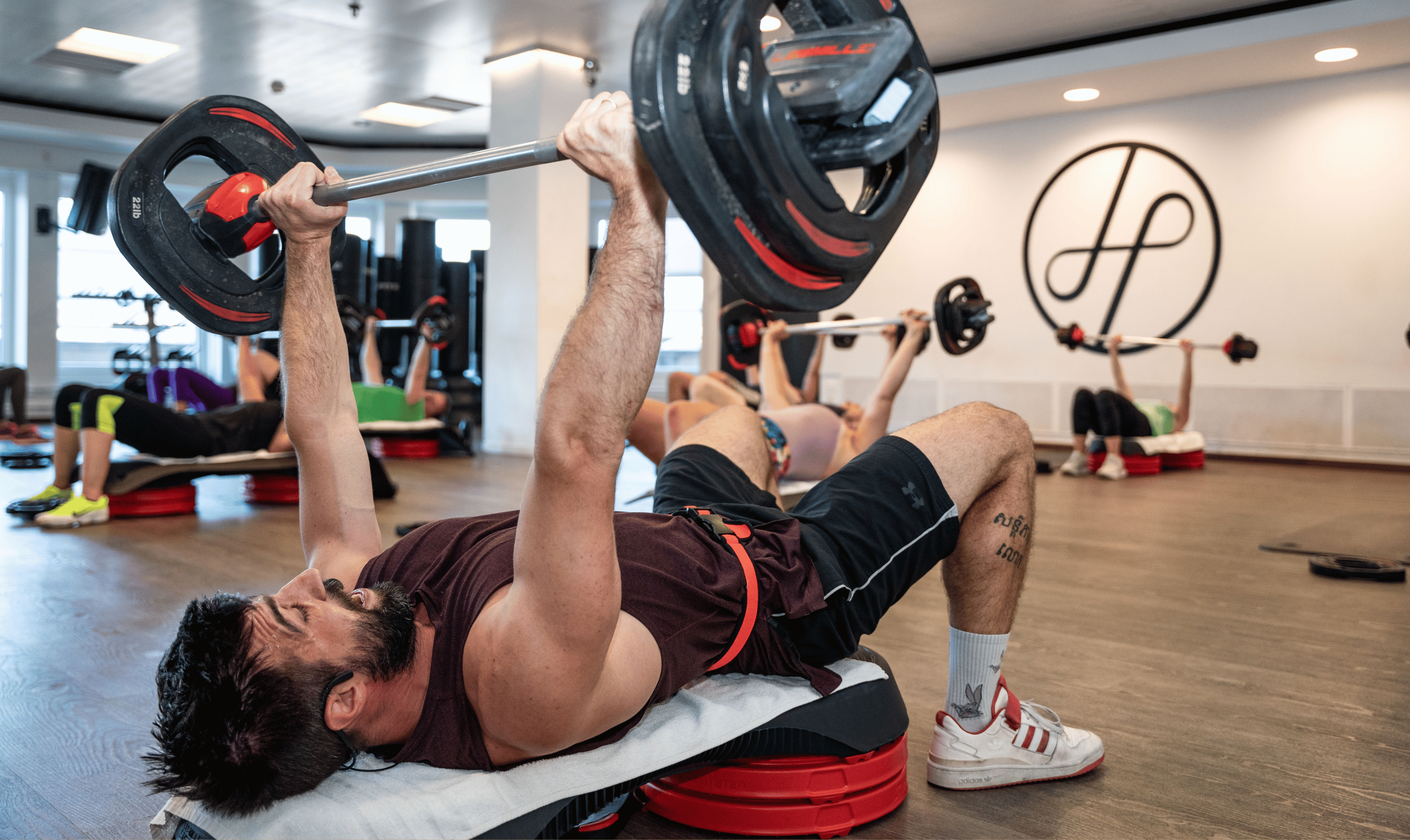
Then try out our new Xpress Classes — short sessions with maximum effect.
You can always at Holmes Place get in.
Find a club near you.
sources:
[1] Reseland JE et al. Effect of long-term changes in diet and exercise on plasma leptin concentrations. At J Clin Nutr. 2001; 73 (2) :240—245
[2] Alajmi N. Appetite and Energy Intake Responses to Acute Energy Deficits in Females versus Males. Med Sci Sports Exerc. 2016
[3] Thackray AE et al. Exercise, Appetite and Weight Control. Nutrients. 2016
[4] Perry B. Appetite regulation and weight control: the role of good hormones. Nature Nutrition and Diabetes. 2012
[5] Blundell JE et al. Physical activity and regulation of food intake. Med Sci Sports Exerc. 1999
Lorem ipsum dolor sit amet consectetur. Nisi odio purus pellentesque risus suspendisse donec.


